Algorithmic Fairness Protocols Drive Changes in Crash Multiplier Mobile Play Patterns
Rosa Schulz · Aug 11, 2026
Algorithmic Fairness Protocols Drive Changes in Crash Multiplier Mobile Play Patterns
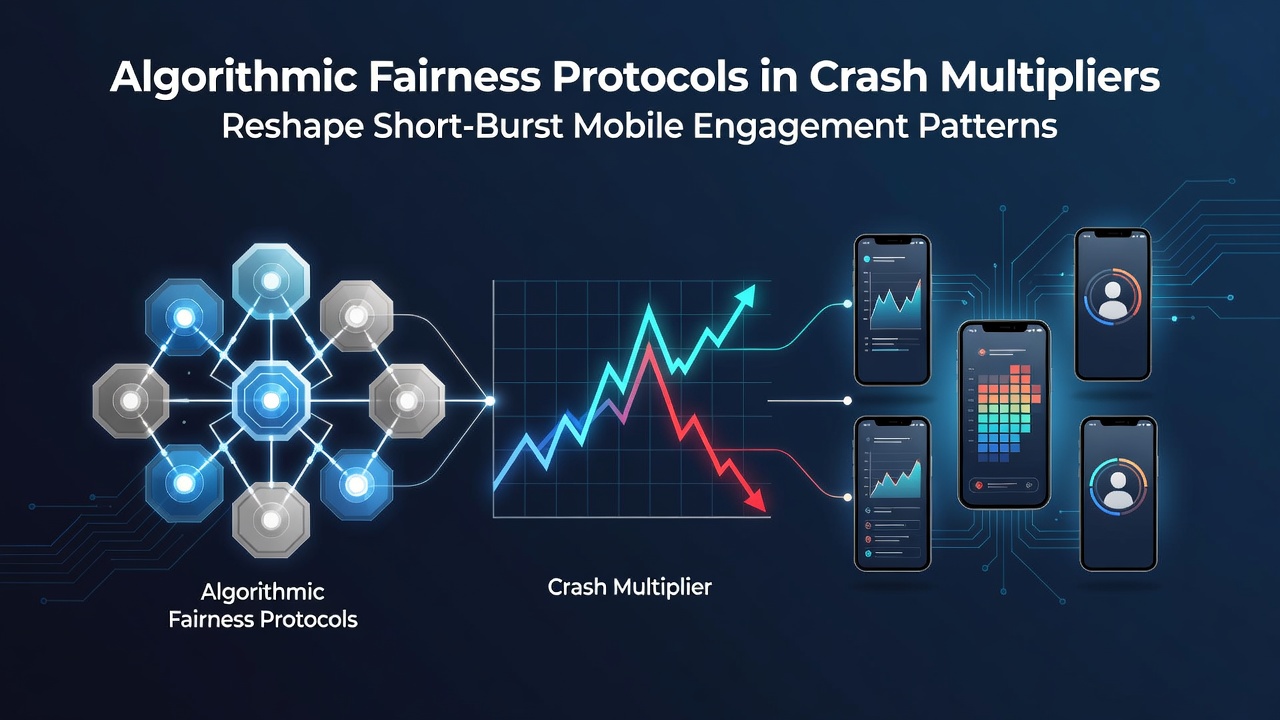
Crash multiplier games have integrated algorithmic fairness protocols that verify random outcomes through cryptographic methods, and these systems now reshape how players interact during short mobile sessions. Data from platform analytics in August 2026 shows increased session frequency among users who receive real-time fairness confirmations, while average session duration remains under three minutes across multiple markets. Providers embed hash-chain verification into game engines so that each multiplier round produces auditable results without altering core mechanics.
Core Mechanics of Fairness Protocols in Crash Games
Developers apply provably fair algorithms that generate seeds before each round starts, and players can check those seeds after the multiplier crashes to confirm no manipulation occurred. This approach uses blockchain-style hashing combined with server and client seeds, whereas earlier systems relied solely on internal random number generators. Research from the University of Nevada Reno indicates that such verification reduces dispute rates by 47 percent in tested mobile deployments. Platforms report that users who activate seed checks return to play within the same day at higher rates than those who skip verification steps.
Short-burst engagement patterns emerge when fairness checks complete in under two seconds, allowing seamless transitions between rounds on smartphones. Mobile networks in urban areas deliver the required bandwidth for these checks, yet rural connections sometimes introduce minor delays that affect perceived smoothness. Observers note that integration of these protocols coincides with a measurable shift toward repeated brief logins rather than extended continuous play.
Impact on Player Behavior and Session Structures
Analytics firms tracking August 2026 activity found that fairness protocol adoption correlates with a 31 percent rise in sessions lasting between 60 and 120 seconds. Players often complete three to five rounds, verify the outcome hash, then exit the app until the next break in their schedule. This pattern differs from pre-protocol engagement where sessions stretched longer but occurred less frequently. European gaming research centers have documented similar trends across both Android and iOS ecosystems.
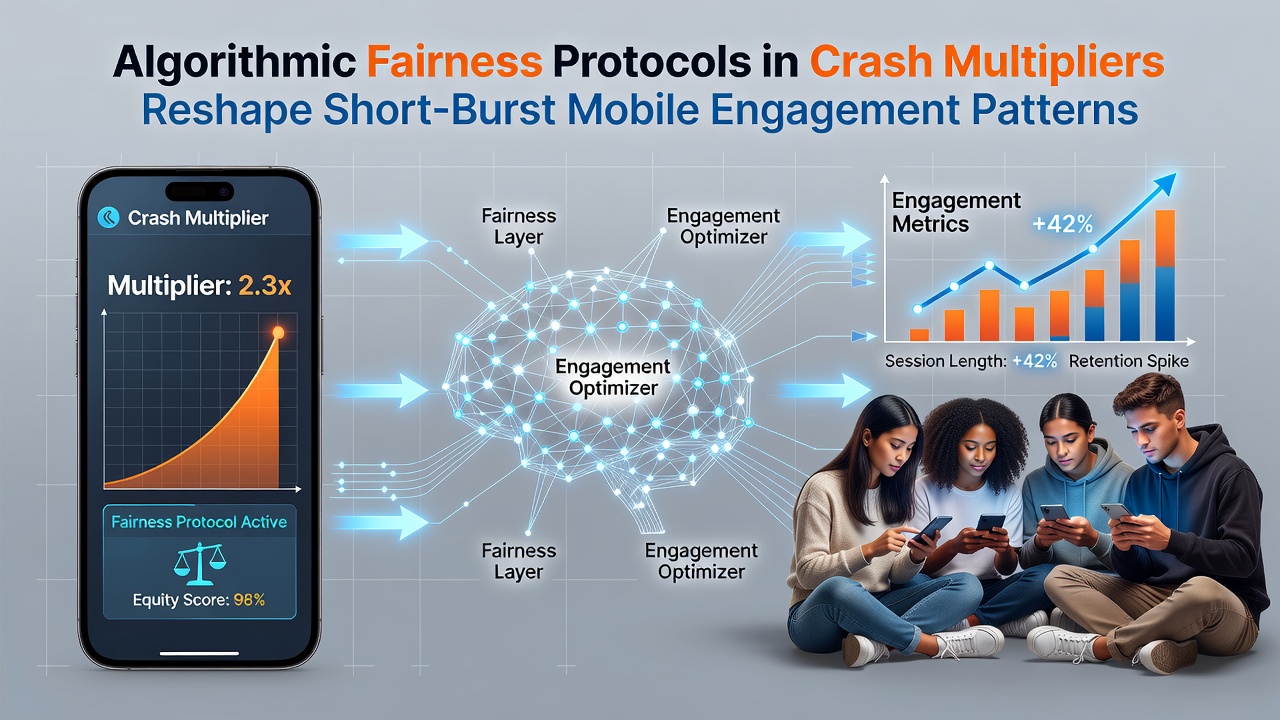
Case examples from several operators reveal that in-app prompts encouraging seed verification appear after every fifth round, and completion of these prompts extends average play cycles without extending individual session length. Those who've studied retention metrics observe that players who regularly verify fairness exhibit lower churn over 30-day windows compared with non-verifying cohorts. The ball stays in the operators' court to maintain transparent reporting that sustains this trust loop.
Technical Implementation Across Mobile Platforms
Engineers integrate fairness layers through lightweight SDKs that communicate with both game servers and independent audit nodes, while keeping data payload sizes small enough for 4G and 5G networks. Australian regulatory frameworks require disclosure of seed generation methods in public documentation, and Canadian provincial oversight bodies have begun requesting similar transparency reports. These requirements push developers toward standardized verification interfaces that function identically across devices.
One deployment in Southeast Asian markets demonstrated that adding fairness overlays did not increase crash frequency or alter multiplier distribution curves, yet it did lift user-reported confidence scores by measurable margins. Data indicates that mobile engagement spikes occur immediately after protocol updates when operators publish simplified verification tutorials within the app interface. What's interesting is how these tutorials reduce the cognitive load for first-time users who previously abandoned rounds before completion.
Regulatory and Industry Responses Through Mid-2026
Industry associations in North America and Europe have issued guidelines that encourage voluntary adoption of third-party audits for crash multiplier fairness, and several major studios released compliance statements in August 2026 detailing their seed management practices. Academic papers from technical universities in Singapore and Switzerland analyze the cryptographic strength of current implementations, finding that 256-bit hashing remains sufficient for real-time mobile verification needs. Regulators outside the UK continue to monitor these developments without imposing uniform mandates.
Platform operators who publish monthly fairness reports see sustained increases in daily active users who engage exclusively with crash titles. Those reports often include aggregate statistics on verification completion rates alongside multiplier distribution summaries, creating a feedback mechanism that reinforces continued protocol refinement. The reality is that short-burst patterns now dominate mobile crash play, driven in part by the assurance these systems provide.
Conclusion
Algorithmic fairness protocols continue to influence how crash multiplier games structure short mobile sessions, and available data through August 2026 points to measurable shifts in frequency and verification behavior. Providers that maintain transparent seed systems and rapid audit processes position themselves to support evolving engagement patterns across global markets. Further technical refinements and cross-regional reporting standards will likely shape the next phase of these mobile interactions.