British Smartphone Players Fuel Growth in Quick-Match Bingo-Slot Hybrids
Jordan Foster · Jul 9, 2026
British Smartphone Players Fuel Growth in Quick-Match Bingo-Slot Hybrids
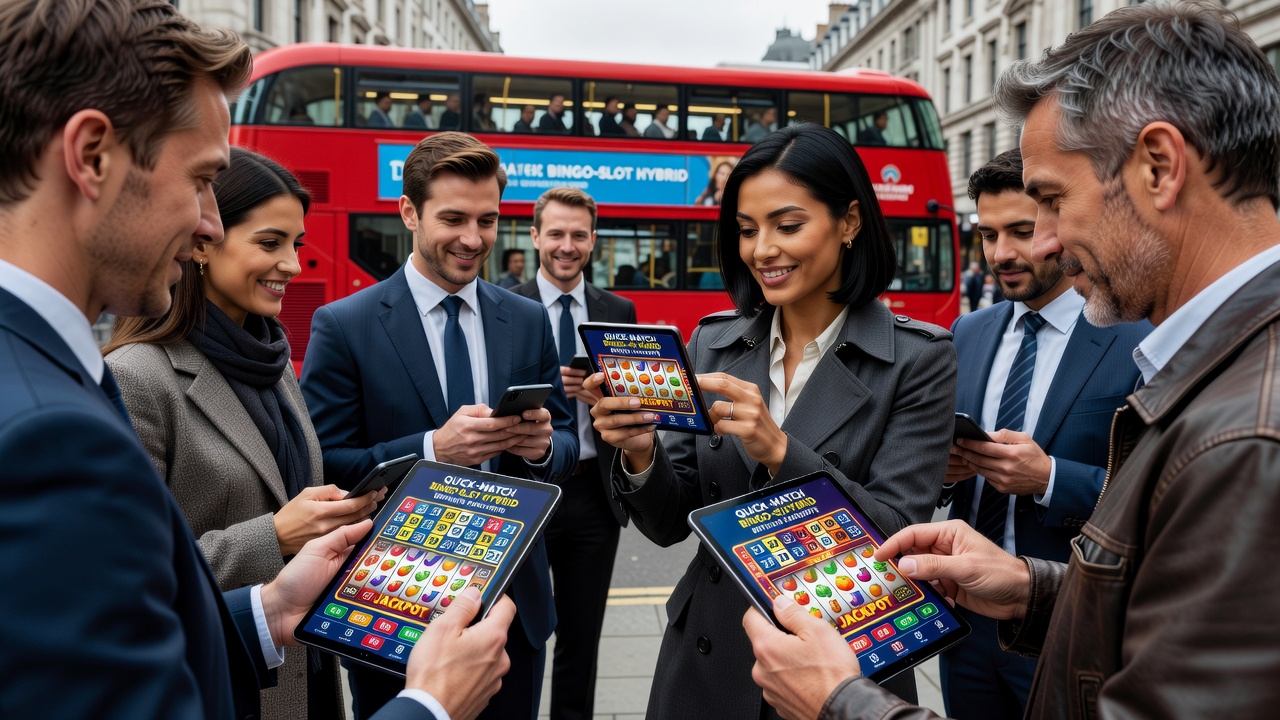
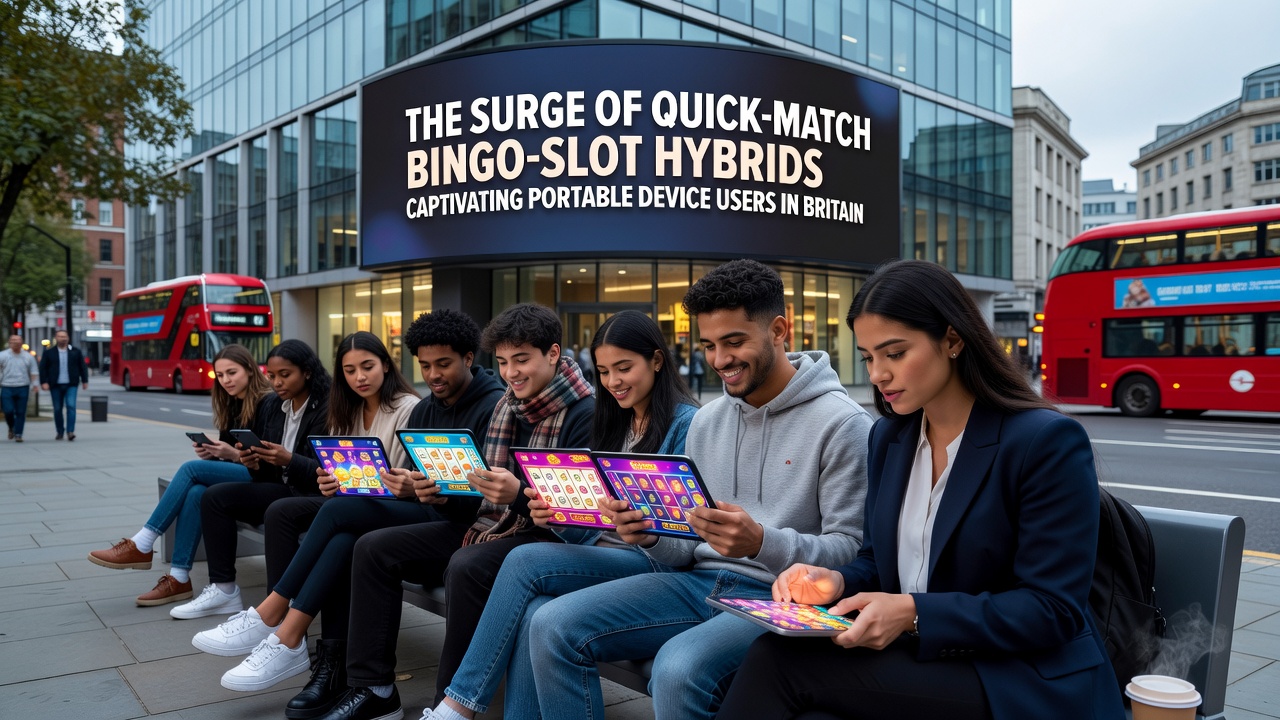
British users on portable devices have driven adoption of quick-match bingo-slot hybrids at a steady pace through 2025 and into 2026, with developers combining bingo grids and reel mechanics into single sessions that last under five minutes. These formats allow players to match numbers on a grid while triggering slot-style payouts, and participation metrics show consistent month-over-month increases across major app stores in the UK.
Platform data collected by app analytics firms indicate that sessions involving these hybrids now account for a growing share of total mobile gaming time among adults aged 25 to 44, a demographic that favors short, repeatable play loops over longer traditional formats. The mechanics rely on random number generators that determine both grid fills and reel outcomes simultaneously, which reduces downtime between rounds and keeps engagement high on smaller screens.
Mechanics Behind the Format
Quick-match hybrids operate through a dual-layer system where players purchase cards that populate a bingo grid while adjacent reels spin to produce matching symbols or multipliers. When a line completes on the grid, the game awards credits based on the reel results that appear at the same moment, creating combined win events without requiring separate bonus rounds. This structure emerged from earlier bingo-slot experiments but gained traction once mobile processors could handle the simultaneous calculations without lag.
Software providers have refined the randomisation algorithms to ensure each outcome remains independent, and testing laboratories certify the fairness parameters before release. Observers note that the visual layout adapts automatically to portrait orientation, with the grid occupying the upper portion and reels below, which suits one-handed use on trains or during breaks.
Market Indicators and Regional Comparisons
Figures released by the European Gaming and Betting Association reveal that hybrid game categories expanded their revenue contribution across EU member states by double-digit percentages in the prior fiscal year, with the UK representing one of the larger individual markets within that total. Parallel reports from the American Gaming Association highlight similar patterns in regulated mobile markets in New Jersey and Pennsylvania, where hybrid titles also posted above-average retention rates compared with standard slots.
What's interesting is how these games integrate with existing payment methods already popular in Britain, including digital wallets and carrier billing, which removes friction for users who prefer smaller, frequent deposits. Developers have added optional social features such as leaderboards that compare grid completion times, though these remain secondary to the core matching loop.
Regulatory Context and July 2026 Developments
Changes scheduled for July 2026 in land-based gaming machine standards have prompted some operators to accelerate their mobile offerings, including hybrids, as a way to maintain compliance while meeting player demand. Although the updates focus on physical venues, they have encouraged software studios to ensure mobile titles incorporate the same responsible gaming tools required for cabinets, such as session timers and spending limits that users can set directly in the app.
Research conducted by the International Gaming Institute at the University of Nevada has examined how short-session formats influence play patterns across jurisdictions, and the findings indicate that built-in pause functions can help maintain balanced engagement levels. British operators have begun rolling out similar controls ahead of the deadline, which aligns mobile hybrids with broader industry practices already in place in parts of Canada and Australia.
Player Behaviour Patterns
Telemetry from major UK-facing platforms shows that users typically complete between four and seven rounds per session before exiting, a duration that fits within typical commute or break times. The games often include progressive multipliers that carry across consecutive matches, which encourages return visits without extending individual play periods.
Demographic breakdowns supplied by industry research groups point to balanced participation between men and women in this category, differing from earlier slot-heavy trends. Push notifications that alert players to daily grid challenges have contributed to repeat logins, though operators must follow data protection rules when sending these messages.
Conclusion
The expansion of quick-match bingo-slot hybrids on portable devices reflects ongoing adaptation by developers to mobile hardware capabilities and user schedules. As July 2026 approaches, continued alignment with responsible gaming requirements across different regulatory environments will shape how these titles evolve while remaining accessible to British players. Data from multiple international sources, including the European Gaming and Betting Association and the American Gaming Association, continues to track these shifts in real time.