Carrier Billing and Mobile Wallets Expand Reach in Portable Gaming Markets
Rosa Schulz · Aug 22, 2026
Carrier Billing and Mobile Wallets Expand Reach in Portable Gaming Markets
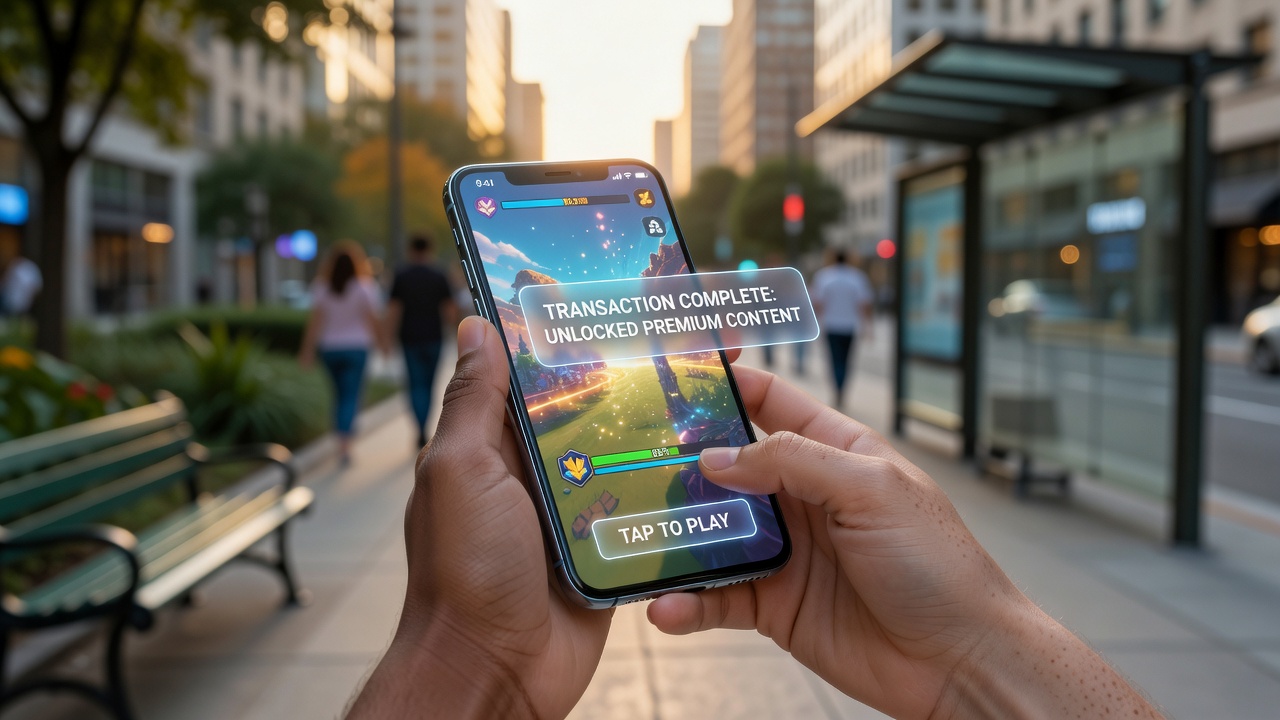
Phone-based transaction methods continue to alter how players access digital entertainment on handheld devices, with carrier billing and digital wallets removing traditional barriers that once limited participation in portable gaming environments. Data from multiple regions shows rising adoption rates, particularly where banking infrastructure remains uneven or where users prefer seamless integration without separate financial accounts. Research indicates these systems allow instant deposits and withdrawals directly through mobile network providers, which in turn supports uninterrupted play sessions across various game formats including slots, strategy titles, and live dealer experiences.
Payment Methods Driving Broader Device Compatibility
Traditional credit card requirements often excluded segments of the population from portable gaming, yet carrier billing bypasses this step by charging activity directly to phone accounts. Observers note that users in rural areas or developing markets benefit most, since many already maintain active mobile subscriptions even when formal banking access stays limited. According to figures released in August 2026 by regional telecom regulators, carrier billing volumes in gaming applications grew steadily, reflecting wider device compatibility and simplified verification processes that do not demand additional hardware or software installations.
Digital wallets such as those tied to major technology platforms further accelerate these shifts by enabling one-tap confirmations within gaming interfaces. Studies from academic institutions across North America and Asia highlight how these tools reduce transaction friction, allowing players to move between different portable titles without repeated authentication steps. What's interesting is the way integration now extends to older smartphone models, expanding accessibility beyond premium device owners and supporting longer engagement periods on mid-range hardware.
Regional Adoption Patterns and Infrastructure Support
European markets demonstrate varied uptake depending on local regulations, with some countries encouraging operator partnerships that embed payment options directly into gaming platforms. Australian government reports on digital commerce show similar trends, where mobile transaction growth correlates with increased participation in on-the-go entertainment among younger demographics and time-constrained professionals. Canadian provincial data similarly tracks rising usage, particularly in provinces where network coverage reaches remote communities that previously faced deposit delays through conventional channels.
Industry organizations tracking global mobile commerce note that security protocols have kept pace with adoption, incorporating biometric verification and transaction limits that address concerns around unauthorized charges. Those who've examined usage patterns find that players often combine carrier billing with wallet services, creating layered options that adapt to different network conditions or account preferences. This flexibility proves especially useful during travel, when roaming agreements maintain functionality across borders without requiring users to switch payment methods mid-session.
Impact on Game Design and Session Continuity
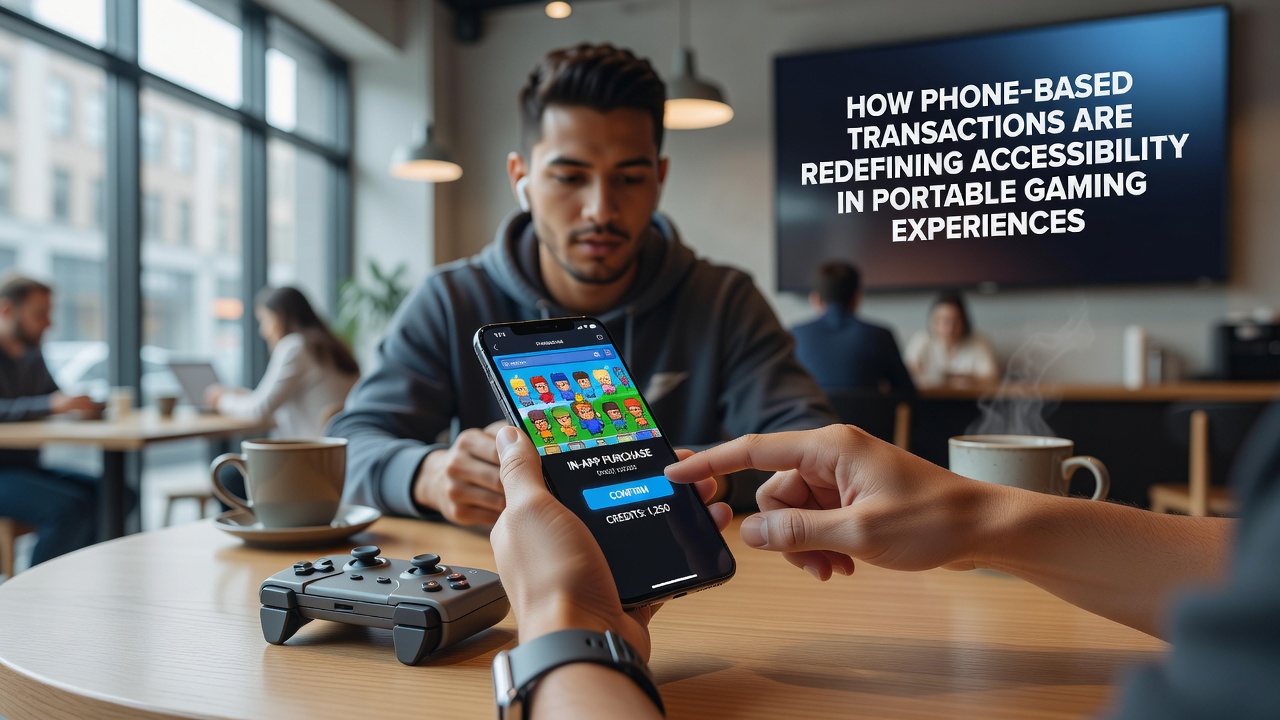
Game developers respond to these payment evolutions by designing experiences that capitalize on shorter, more frequent interactions supported by frictionless funding. Research papers from European universities examining mobile entertainment consumption reveal that seamless transactions correlate with higher retention rates, as players avoid interruptions that once occurred during deposit processes. And while some titles still rely on traditional gateways, many now prioritize phone-based flows from the initial onboarding stage onward.
Real-world examples include regional operators who integrated carrier options into hybrid apps, allowing players to transition between casual puzzle games and higher-stakes formats without leaving the same interface. Data compiled by international trade groups indicates that such features lower entry thresholds for new participants, particularly those testing portable gaming for the first time. The reality is that these systems also support micro-transactions more efficiently, enabling incremental purchases that align with varied spending patterns across different user groups.
Future Infrastructure Developments
Telecommunications companies continue expanding partnerships with gaming platforms, with several announcements scheduled for late 2026 that promise further reductions in processing times. Observers tracking these collaborations point to improved API standards that make integration simpler for smaller studios, potentially increasing the variety of titles available through phone-based funding. Government agencies in multiple jurisdictions monitor these developments to ensure consumer protections remain consistent as transaction volumes rise.
Academic studies scheduled for publication later in the year examine long-term effects on accessibility metrics, including participation rates among users with limited credit histories. Early findings suggest sustained growth in regions where mobile networks serve as primary internet access points, underscoring how phone transactions bridge gaps left by legacy financial systems.
Conclusion
Phone-based transaction systems have established themselves as central components in the portable gaming ecosystem, supported by expanding infrastructure and cross-industry cooperation. Figures from diverse regulatory and research bodies confirm ongoing adoption across continents, driven by convenience and compatibility improvements that continue through August 2026 and beyond. As networks evolve and partnerships deepen, these methods maintain their role in connecting broader audiences to gaming experiences on handheld devices.