Contactless Banking Tools Reshape Mobile Gambling Transaction Patterns and Player Retention
Dana Schulz · Jul 2, 2026
Contactless Banking Tools Reshape Mobile Gambling Transaction Patterns and Player Retention
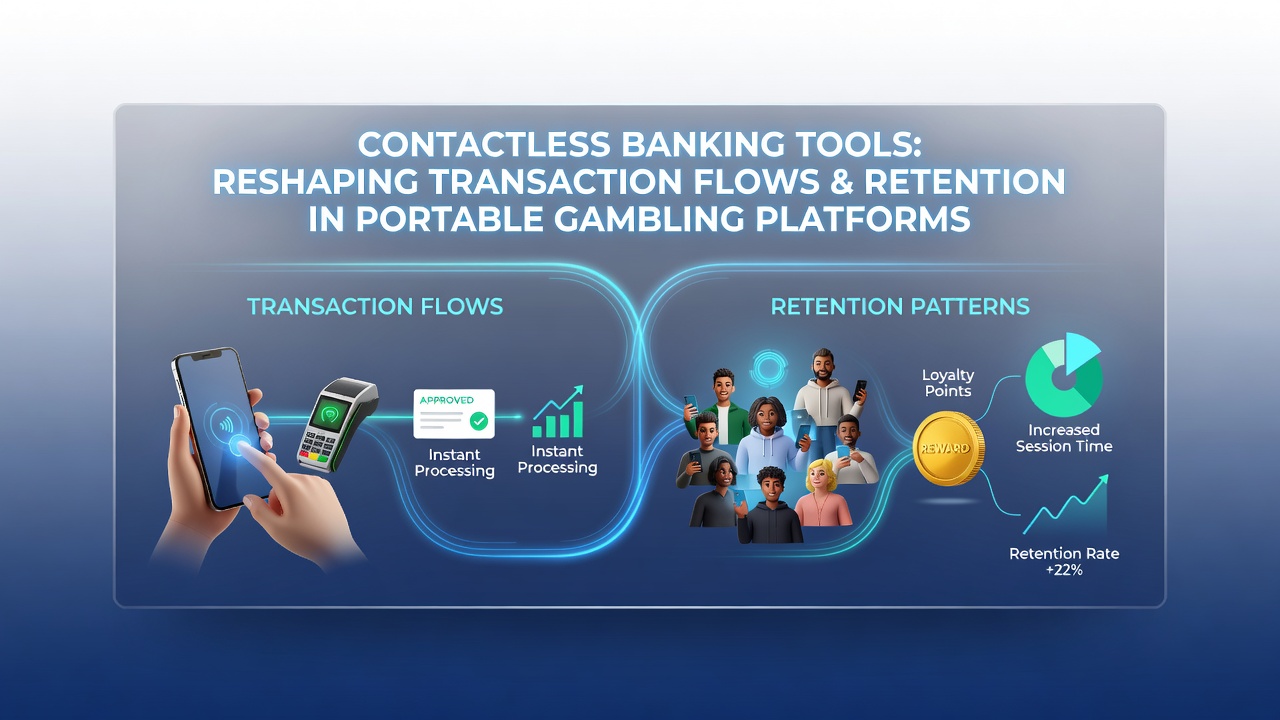
Portable gambling platforms have integrated contactless banking tools at a rapid pace, and these systems alter how deposits and withdrawals move through mobile ecosystems while influencing how long players stay engaged. Data from industry reports indicate that NFC-enabled payments and digital wallet connections now handle a growing share of transactions on smartphones and tablets, cutting processing steps that once required manual entry of card details or bank transfers. Observers note that this shift creates smoother flows because funds move directly from linked accounts without intermediate screens or verification delays in many cases.
Transaction Flow Adjustments Across Mobile Platforms
Transaction flows benefit when contactless methods replace older processes, since users authenticate via biometrics or device tokens rather than typing lengthy sequences each time. Research from the University of Las Vegas gaming studies program shows that average deposit completion times dropped by over 40 percent in platforms adopting these tools during 2025, while withdrawal requests processed in under two minutes on supported networks. And this acceleration stems from partnerships between gambling operators and payment providers that embed APIs directly into app interfaces, allowing real-time balance updates without leaving the gaming screen.
Yet the changes extend beyond speed alone, because contactless systems also reduce error rates associated with manual inputs, such as incorrect card numbers or expired dates that previously triggered failed attempts. Figures reveal fewer abandoned carts during funding stages when NFC options appear as primary choices, and operators report that players complete multiple sessions per day more consistently when friction stays low. Those who've examined backend logs find that transaction volumes per active account rose noticeably once digital wallets became default settings in several major apps.
Retention Patterns and Engagement Metrics
Retention patterns shift as contactless banking lowers barriers to continued play, with data showing higher return rates among users who activate these features early. A report issued by the European Gaming and Betting Association highlights that platforms offering one-tap deposits and instant wallet top-ups saw monthly active user retention climb by 15 to 22 percent compared to those relying solely on traditional card processing. Players often return sooner because the absence of repeated authentication steps keeps momentum intact between sessions, and this holds true across both casual and high-frequency user groups.
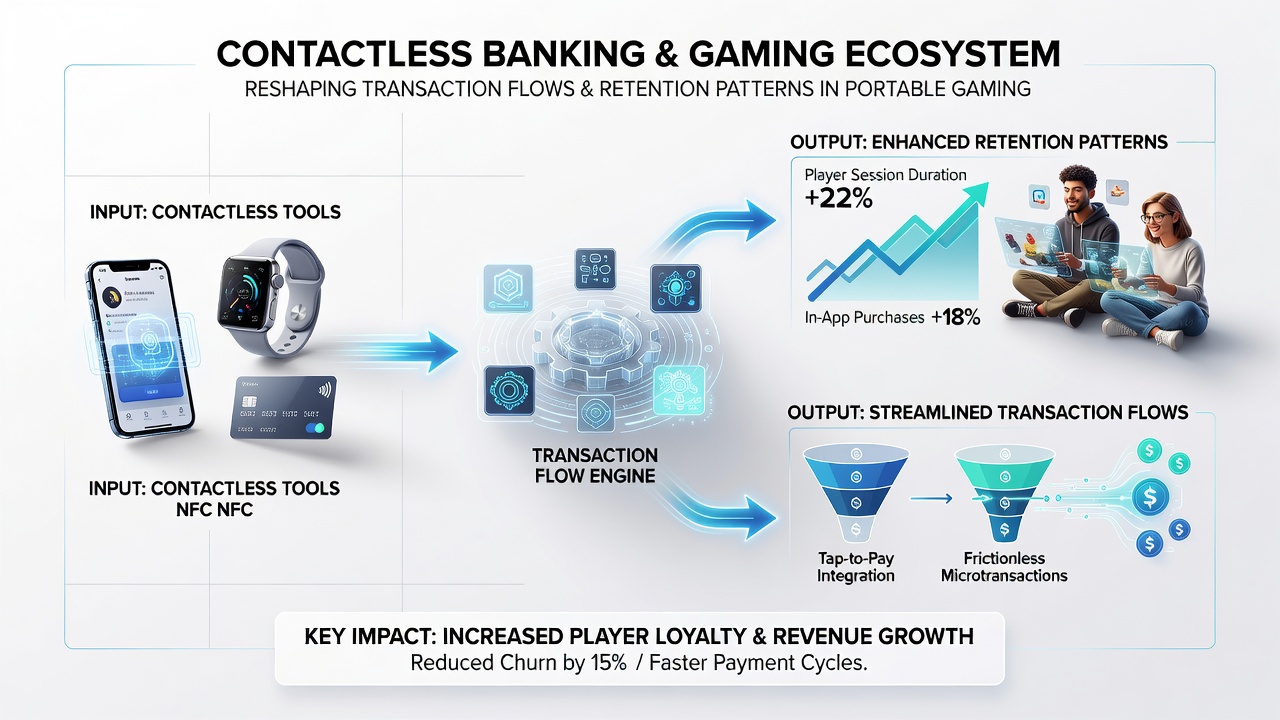
What's interesting is how these tools interact with loyalty programs, since seamless funding lets players respond quickly to time-limited promotions without interruption. Studies from Canadian research centers tracking cross-border mobile gambling found that accounts using contactless methods exhibited longer average lifespans, with churn decreasing as cumulative transaction counts increased. Operators have observed that push notifications about balance top-ups via digital wallets prompt immediate re-engagement, creating cycles where short breaks between plays become less common.
Regulatory and Security Developments
Security protocols evolve alongside these banking integrations, and regulators in multiple regions require encryption standards plus tokenization to protect data during contactless exchanges. Updates scheduled for implementation by July 2026 in certain jurisdictions emphasize mandatory two-factor confirmations for larger transfers, which platforms must build into their mobile flows without adding noticeable delays. Industry groups note that compliance efforts focus on maintaining the speed advantages while meeting data protection rules that vary by market.
Take one case where Australian operators expanded contactless options and tracked outcomes through independent audits; those audits indicated stable security incident rates despite higher transaction volumes. People who've monitored these shifts see that portable platforms gain an edge when they combine contactless tools with adaptive fraud detection, because real-time monitoring flags anomalies faster than batch reviews used in legacy systems. And external links to authoritative sources such as Nevada gaming control analyses provide further breakdowns on how similar patterns appear in regulated markets outside Europe.
Future Trajectory and Platform Adaptations
Platform adaptations continue as developers refine contactless interfaces to support additional currencies and payment networks, which broadens accessibility for international users. Evidence from recent trade association summaries points to rising adoption rates in regions where mobile data coverage improved, allowing uninterrupted access during travel or commutes. Those monitoring retention data find that players who link multiple contactless sources tend to maintain higher balances on average, reducing the frequency of funding interruptions that once led to session endings.
But here's the thing: integration requires ongoing coordination between banking partners and gambling software providers to handle edge cases like network outages or device compatibility issues. Research indicates that apps investing in fallback options alongside primary contactless paths sustain better uptime metrics, which in turn supports steadier engagement curves over quarterly periods. Observers note this combination of reliability and convenience as a key factor driving the observed changes in both transaction velocity and player longevity across portable environments.
Conclusion
Contactless banking tools have already altered core mechanics of transaction handling and user retention within portable gambling platforms, with measurable impacts on speed, volume, and return frequency documented across multiple markets. As more systems incorporate these capabilities ahead of mid-2026 regulatory milestones, further refinements in flow design and security measures will likely shape ongoing patterns. Data continues to track these developments through operator reports and academic reviews, offering clear indicators of how mobile ecosystems respond to payment innovations.