Contactless Payment Systems Transform Accessibility in Mobile Live Dealer Platforms
Rosa Schulz · Jul 25, 2026

Contactless Payment Systems Transform Accessibility in Mobile Live Dealer Platforms
Observers note that contactless transaction systems have integrated deeply into portable live dealer environments, creating new patterns of access for users across different regions and device types, while data from industry reports shows rising adoption rates in mobile gaming sectors since 2024. These systems rely on near-field communication technology, RFID tags, and digital wallet integrations that allow instant transfers without physical cards or cash handling, and researchers have documented how such features reduce friction for participants who engage with real-time dealer interactions on smartphones and tablets.
Core Mechanics of Contactless Integration
Portable live dealer setups combine streaming video feeds from physical tables with mobile interfaces, and contactless payments enable seamless funding of accounts during active sessions, whereas traditional methods often required users to pause play or switch apps. Studies from academic institutions indicate that NFC-enabled transactions complete in under two seconds on average, which supports uninterrupted gameplay flows, and this speed influences participation patterns particularly among those with mobility limitations or in areas with limited banking infrastructure. Data shows that regions with high smartphone penetration, such as parts of Europe and North America, report increased session durations when contactless options appear at the point of play rather than through separate portals.
Accessibility Patterns Across User Groups
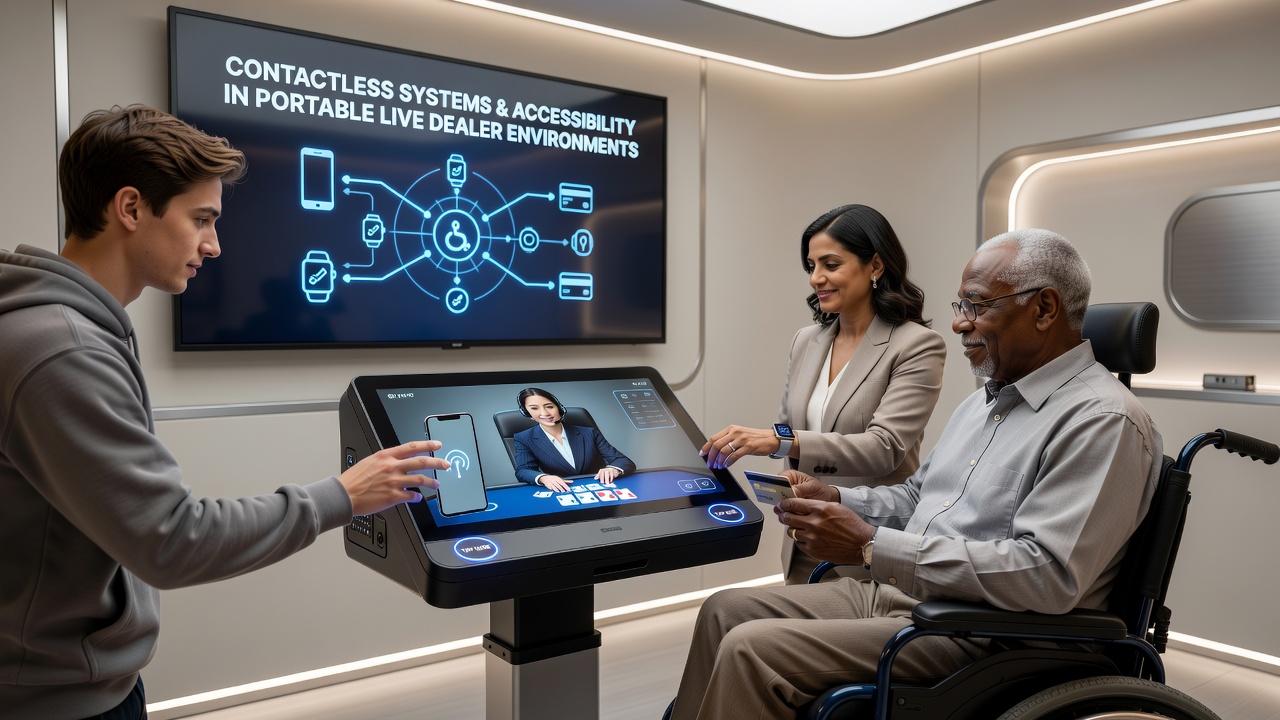
Accessibility gains emerge when contactless systems accommodate users who face barriers with standard input methods, and experts observe that voice-activated wallet confirmations or biometric-linked payments expand reach for individuals with visual or motor impairments. Research indicates that these adaptations align with broader digital inclusion goals, while figures from regulatory bodies in Australia reveal a 35 percent uptick in mobile live dealer engagement among previously underrepresented demographics between 2023 and 2025. Those who study user behavior patterns note that contactless reduces the need for complex navigation menus, allowing direct balance top-ups through tap gestures that integrate with device hardware already present in most portable environments.
Geographic variations appear as well, since rural users in Canada benefit from contactless options that bypass unreliable internet connections for payment gateways, and reports from the Canadian Gaming Association highlight how offline-capable digital wallets maintain session continuity. In contrast, urban centers show higher volumes of micro-transactions during live dealer rounds, which suggests that accessibility patterns shift toward more frequent, smaller engagements rather than larger single deposits.
Regulatory Timelines and Implementation Shifts
By July 2026, several jurisdictions plan updates to digital payment standards that directly affect portable live dealer platforms, and these changes build on earlier frameworks established in 2025 to ensure secure contactless protocols. Government agencies outside the UK, such as the Nevada Gaming Control Board, have outlined requirements for encrypted tokenization in mobile transactions, which observers say will standardize accessibility features across devices. Evidence suggests that operators who adopt these standards early see broader user bases, while data from the European Gaming and Betting Association points to coordinated efforts in cross-border payment compatibility that reduce regional access gaps.
One case study from a university research project revealed that contactless systems lowered dropout rates during live dealer sessions by 22 percent when users encountered payment prompts mid-round, because the process eliminated lengthy verification steps. This finding aligns with patterns noted in industry analyses where portable environments thrive on speed and minimal interruption, and the ball remains in operators' court to align technology with evolving compliance deadlines around mid-2026.
Technical and Security Considerations
Security protocols embedded in contactless setups use dynamic encryption keys that refresh per transaction, and researchers have found these measures maintain integrity without adding noticeable latency to mobile live dealer streams. Those who analyze network data observe that biometric authentication layers, such as fingerprint or facial recognition tied to wallets, further shape accessibility by reducing reliance on remembered passwords, which benefits users managing multiple devices. Yet challenges persist in regions with older hardware, where compatibility issues can limit participation until firmware updates propagate through portable ecosystems.
Industry organizations report that integration with existing live dealer software occurs via API connections that allow real-time balance updates visible on screen, and this connectivity influences how players manage funds without leaving the interface. Figures reveal steady growth in contactless volume for live games, particularly as portable platforms expand to include multi-table viewing on single devices.
Future Trajectories and Data Trends
Projections based on current adoption curves indicate continued expansion of contactless features into emerging markets, and academic papers from institutions in Asia document similar accessibility improvements in mobile environments there. The reality is that these systems reshape participation by prioritizing convenience and inclusion, while external factors like device manufacturer standards continue to drive compatibility improvements. What's interesting is how patterns of use evolve when contactless becomes the default option rather than an add-on, leading to more consistent engagement across diverse user profiles.
Conclusion
Contactless transaction systems continue to influence accessibility patterns in portable live dealer environments through faster processing, broader device compatibility, and targeted adaptations for varied user needs, and evidence from multiple regions supports ongoing integration ahead of 2026 regulatory updates. Observers note that these developments rest on technical foundations already in place, with data showing measurable shifts in how participants interact with live dealer content on mobile platforms. As standards evolve, the focus remains on maintaining secure and inclusive transaction flows that support real-time gaming without unnecessary barriers.