Data Analytics Drive Next-Generation Loyalty Programs in Britain's Mobile Gaming Landscape
Dana Schulz · May 21, 2026
Data Analytics Drive Next-Generation Loyalty Programs in Britain's Mobile Gaming Landscape
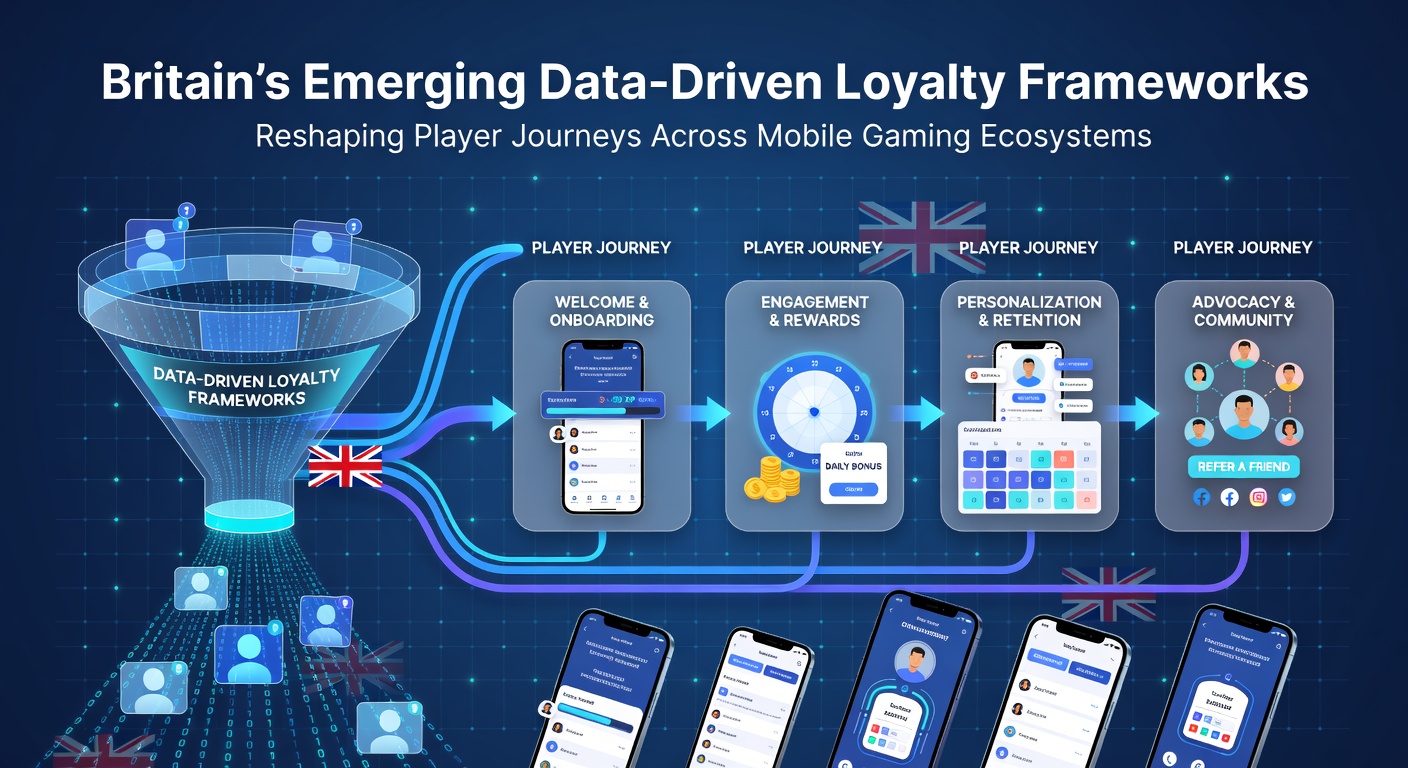
Britain's mobile gaming sector continues to integrate sophisticated data frameworks that adjust rewards and engagement paths based on individual player patterns. Developers collect telemetry from in-app sessions, purchase histories, and social interactions to build profiles that evolve in real time. These systems allow studios to deliver tailored challenges, tiered incentives, and dynamic content drops that keep users returning without relying on generic promotions. Observers note that the shift accelerated through 2025 as platforms adopted machine-learning models capable of predicting churn weeks in advance. By May 2026 several leading titles had rolled out loyalty layers that recalibrate daily missions according to each account's historical completion rates and preferred play windows. The result is a more fluid experience where progress feels personally calibrated rather than mass-produced.Core Mechanics Behind the Frameworks
At the center of these programs sit unified data lakes that merge device telemetry with behavioral logs and external signals such as regional event calendars. Engineers feed the combined dataset into clustering algorithms that segment users into micro-cohorts. Each cohort then receives offers calibrated to its shared traits, whether that means bonus currency for evening commuters or extended energy packs for weekend marathon players.
Privacy controls remain embedded at the collection stage. Users grant granular permissions through in-app dashboards, and anonymized aggregates power most predictive work. When a player reaches a new loyalty tier the system surfaces contextual rewards such as exclusive skins or collaborative events that align with demonstrated interests rather than broad assumptions.
Impact on Player Progression Paths
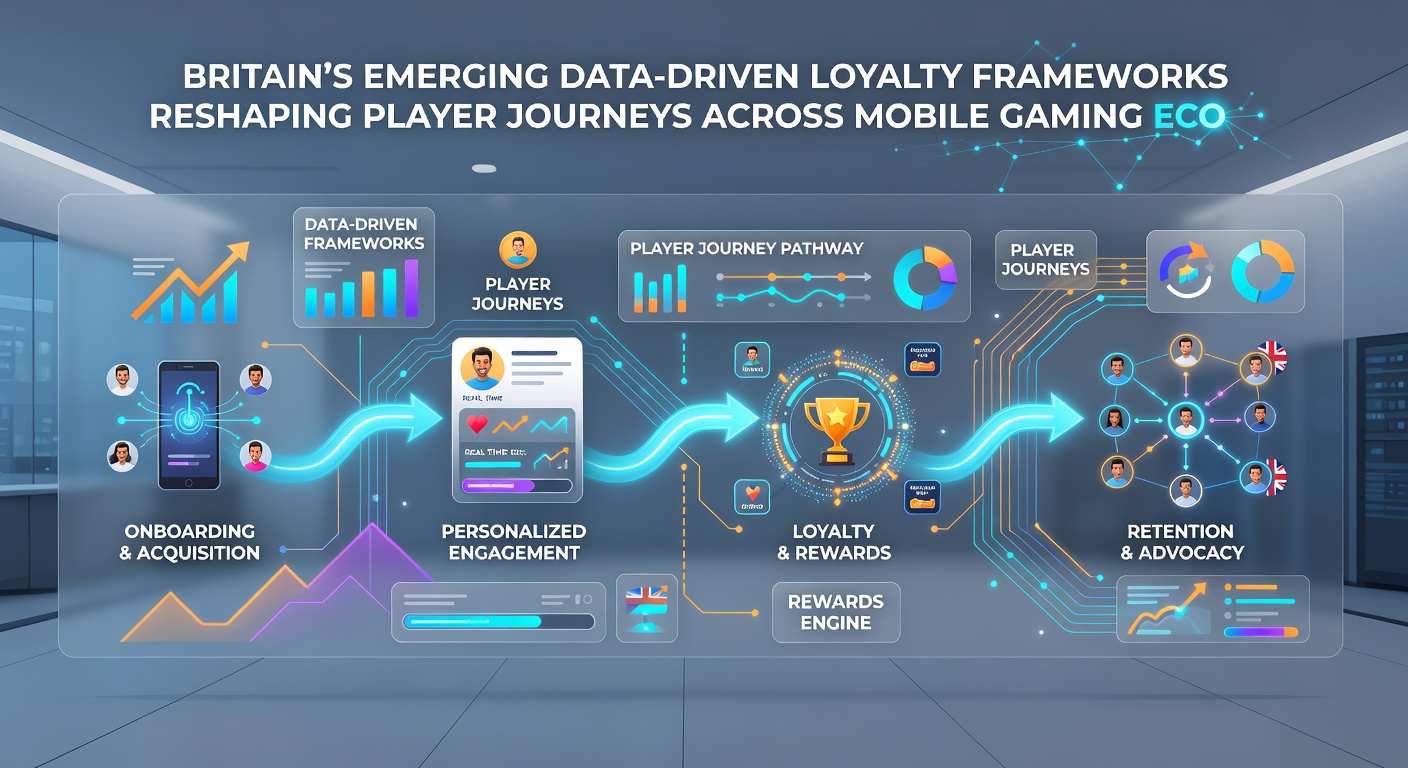
Longer retention windows appear across titles that implemented these adaptive loops. One studio reported average session frequency rising after it introduced a loyalty engine that adjusted quest difficulty based on recent win-loss ratios. Another observed higher conversion from free to premium tiers once it began surfacing limited-time bundles timed to each user's spending cadence.
Cross-game ecosystems have started to emerge as well. Several publishers now share anonymized loyalty signals through secure industry exchanges, letting a player carry progress markers from a casual puzzle title into a strategy game released by the same group. The handoff preserves momentum without exposing raw personal data.
Regulatory and Technical Backdrop
Although Britain maintains its own oversight structures, developers also reference broader international standards when designing consent flows. Reports from the Interactive Software Federation of Europe highlight how unified age-appropriate design principles influence loyalty mechanics across the continent. At the same time, Canadian researchers at the Canada Revenue Agency gaming research division have published comparative studies on cross-border data portability that British studios consult when expanding global features.
Technical implementation relies on edge computing nodes that process micro-adjustments locally before syncing with central servers. This architecture reduces latency for reward notifications and supports offline progression tracking during travel. Security teams apply differential privacy techniques so individual identities stay obscured even when aggregate trends inform new feature development.
Future Trajectory Through Mid-2026
By May 2026 several British studios plan to test loyalty frameworks that incorporate wearable sensor data, provided users opt in. Heart-rate variability and movement patterns could inform whether a session should emphasize relaxing narrative content or high-intensity competitive modes. Early pilots indicate these signals help surface rewards that match current player energy levels rather than historical averages alone.
Industry observers expect continued refinement of cohort models as larger datasets accumulate. The emphasis remains on measurable engagement metrics and transparent user controls rather than any single prescriptive model. Studios continue to iterate based on retention curves and satisfaction surveys collected through in-app channels.
Conclusion
Data-driven loyalty structures now form an integral layer within Britain's mobile gaming offerings. By combining real-time analytics with user-controlled permissions, developers deliver progression paths that adapt to individual habits while maintaining broad accessibility. As frameworks mature through 2026 the focus stays on sustainable engagement models that respect privacy boundaries and respond to shifting player preferences across diverse titles and platforms.