How Symbol Clusters Shape Jackpot Opportunities in Modern Digital Slot Games
Dana Schulz · Jun 27, 2026
How Symbol Clusters Shape Jackpot Opportunities in Modern Digital Slot Games
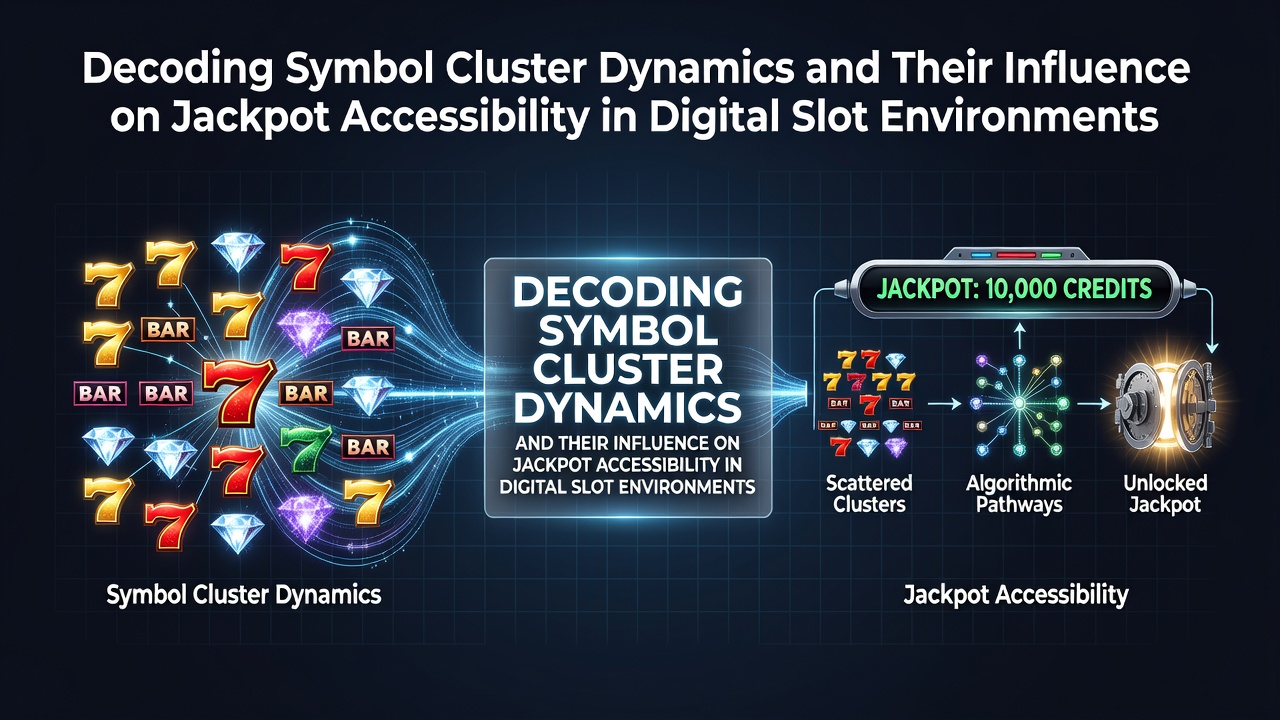
Symbol cluster mechanics have redefined how digital slots generate winning combinations, moving away from traditional payline structures toward grid-based groupings that require adjacent symbols to connect in blocks of five or more. These clusters activate payouts when matching icons occupy neighboring positions horizontally or vertically, and developers integrate them into progressive jackpot systems where larger groupings increase the probability of triggering bonus rounds that lead to top-tier prizes.
Research from the International Gaming Institute at teh University of Nevada shows that cluster formations rely on random number generators calibrated to specific hit frequencies, which means the size and positioning of these groups directly influence access to jackpot features without altering the underlying mathematical return-to-player percentages. Game designers program cluster thresholds so that smaller groups of five to eight symbols yield modest wins while clusters exceeding fifteen symbols often unlock free spin modes or jackpot wheels.
Mechanics Behind Cluster Formation and Activation
Each reel in a cluster-pay slot contains a fixed set of symbols distributed across multiple rows, and the system evaluates every spin for connected groups rather than straight lines across fixed positions. When a cluster meets the minimum size requirement the game removes those symbols, allows new ones to cascade into place, and recalculates for additional clusters within the same spin sequence. This cascading process extends play duration and multiplies the chances of building toward jackpot-eligible combinations because repeated removals can create larger groupings that meet progressive trigger conditions.
Engineers adjust symbol weights in the paytable so that high-value icons appear less frequently yet form bigger clusters when they do land, creating a balance that keeps base game volatility manageable while reserving the highest rewards for rare cluster events. Observers note that software updates rolled out in June 2026 refined the cascade algorithms in several major platforms to reduce instances where partial clusters blocked jackpot pathways, improving overall accessibility without changing certified randomness standards.
Link Between Cluster Size and Jackpot Triggers
Progressive jackpot slots incorporate cluster dynamics by tying bonus entry to specific cluster milestones, such as forming a twenty-symbol group of wilds or scatters that activates a dedicated jackpot ladder. Data from industry reports indicate that titles using this approach show jackpot contribution rates rising in proportion to average cluster size across player sessions, because each successful cascade sequence adds incremental value toward the progressive pool. Players encounter these mechanics in games where the base grid expands during bonus modes, allowing clusters to grow beyond standard reel boundaries and thereby raising the statistical likelihood of hitting the top prize tier.
One documented case involved a popular grid-based title where cluster-triggered free spins accounted for over sixty percent of recorded jackpot wins in audited play logs, demonstrating how the mechanic funnels more spins into high-reward states compared with traditional line-based progressives. Regulatory testing bodies in multiple jurisdictions verify that these linkages remain within approved parameters so that jackpot accessibility reflects true random outcomes rather than predetermined sequences.
Algorithmic Factors Governing Cluster Dynamics
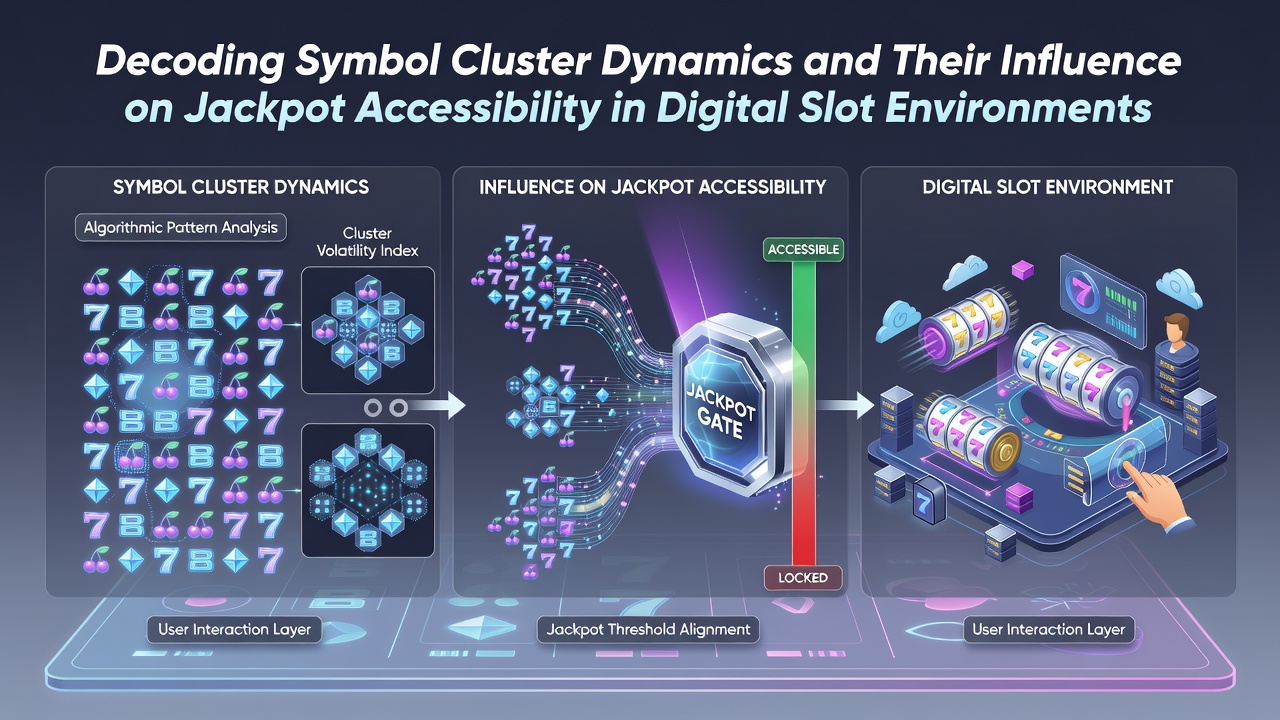
Random number generators determine initial symbol placement while secondary algorithms evaluate adjacency and apply removal rules in real time, and developers calibrate these systems to maintain consistent return-to-player figures across millions of simulated spins. Cluster size probability curves follow a power-law distribution in many implementations, where small clusters occur frequently and large ones remain rare events that coincide with jackpot eligibility windows. Software certification processes examine these curves to confirm that jackpot trigger rates align with published odds and that no external factors skew cluster formation toward or away from progressive features.
Studies conducted by the Alberta Gaming Research Institute reveal that adjusting the adjacency rules, such as permitting diagonal connections in addition to horizontal and vertical ones, can increase average cluster size by up to eighteen percent while preserving the certified randomness of each outcome. This adjustment expands jackpot accessibility in titles that employ diagonal clusters because more symbols qualify for removal and subsequent cascades, yet the change requires fresh mathematical modeling to keep overall game mathematics intact.
Player Session Patterns and Cluster Outcomes
Session data aggregated across operator platforms shows that players who trigger multiple cascades per spin tend to reach bonus rounds more often, since each cascade iteration raises the cumulative cluster count and moves the game state closer to jackpot activation thresholds. Game logs from certified testing environments indicate that sessions averaging four or more cascades per spin record jackpot contributions at rates approximately 1.4 times higher than sessions with fewer cascades, although individual results vary according to the random distribution of symbols.
Features such as expanding wilds or cluster multipliers further amplify these effects by increasing the value of each formed group and thereby accelerating progress toward progressive prize levels. Those who have analyzed extensive play records observe that the interaction between cluster frequency and bonus entry creates distinct session arcs where early small clusters build momentum that later large clusters convert into jackpot opportunities.
Conclusion
Symbol cluster dynamics operate through precise algorithmic rules that govern formation, removal, and cascading, and these rules directly shape the pathways players follow toward jackpot features in digital slot environments. Evidence from regulatory testing and independent research confirms that cluster size thresholds, adjacency definitions, and cascade mechanics collectively determine how often jackpot triggers occur while preserving certified randomness. As platforms continue to refine these systems the relationship between cluster patterns and progressive accessibility remains a core element of modern slot design, supported by ongoing verification from multiple international gaming authorities and academic research centers.