Loyalty Tier Dynamics in Mobile Casino Apps: Mechanisms Driving Prolonged User Sessions
Jordan Foster · Aug 22, 2026
Loyalty Tier Dynamics in Mobile Casino Apps: Mechanisms Driving Prolonged User Sessions
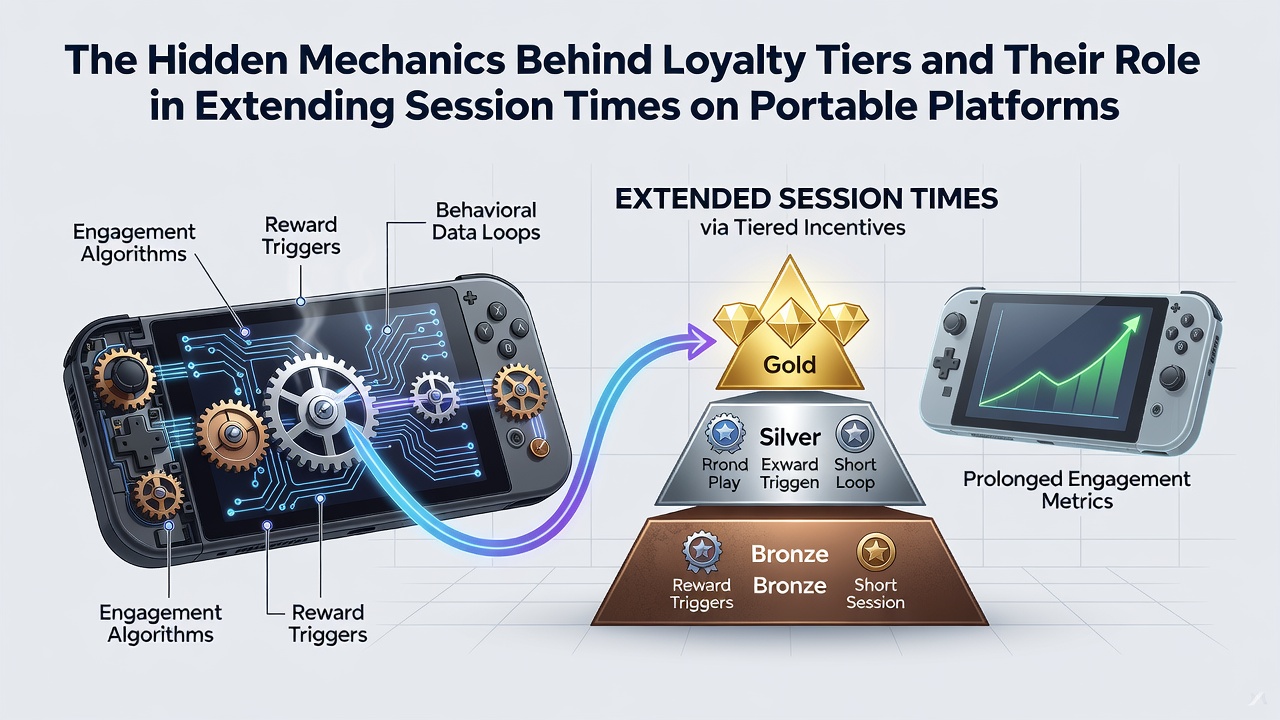
Portable platforms have integrated loyalty tier systems that track player activity through accumulated points, level thresholds, and escalating benefits. These structures operate on data collected from session duration, wager volume, and frequency of returns, creating pathways where users advance from entry-level status to higher categories with associated perks such as bonus credits, faster withdrawal processing, and exclusive game access. Industry reports indicate that progression mechanics often include daily login multipliers and milestone bonuses designed to maintain consistent engagement across devices.
Core Components of Tier Progression
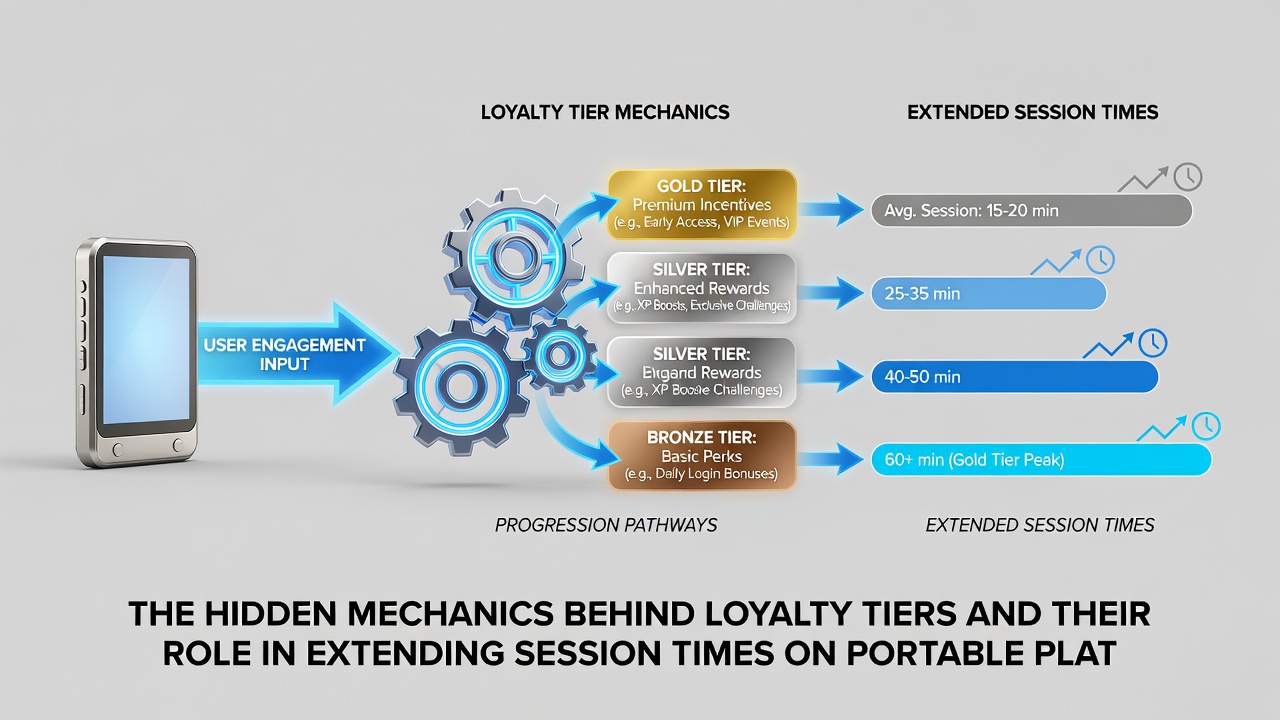
Points systems form the foundation, converting real-money wagers into loyalty currency at rates that vary by game type and stake level. Bronze or silver entry tiers typically grant basic cashback percentages, while gold and platinum levels introduce personalized offers including free spins tied to specific titles and invitations to limited-time events. Observers note that these rewards scale incrementally, with each tier requiring substantially more activity than the previous one, which encourages sustained participation rather than isolated visits.
Algorithmic adjustments play a key role, as platforms analyze individual patterns to calibrate reward frequency and value. Data from platform analytics shows that users nearing a tier upgrade receive targeted notifications highlighting remaining requirements, a tactic that extends average play intervals by prompting additional rounds to reach the next milestone. Those who have examined these systems find that the combination of visible progress bars and time-sensitive challenges reduces the likelihood of abrupt session endings.
Behavioral Patterns and Session Extension Data
Research from academic institutions has documented how tier-based incentives correlate with measurable increases in time spent per session on mobile interfaces. A study conducted through university gaming labs revealed that participants in tiered programs averaged 23 percent longer engagement periods compared to control groups without progression elements. This extension stems from the psychological pull of near-completion states, where users continue playing to secure the next reward batch before logging off.
Portable formats amplify these effects because of push notifications and seamless app resumption, allowing interrupted sessions to resume without loss of accumulated progress. Figures from European gaming associations indicate that cross-device synchronization maintains momentum across phones and tablets, keeping users within the ecosystem for extended cumulative hours. In August 2026, updated participation metrics highlighted steady growth in mobile loyalty program enrollments, with tier advancement rates climbing in several regulated markets outside the UK.
Technical Implementation Across Platforms
Backend engines calculate real-time eligibility using encrypted transaction logs and game outcome histories. Developers integrate these calculations into user interfaces that display tier status prominently, often alongside countdown timers for expiring benefits. Those who've reviewed code structures note that variable reward schedules, similar to slot mechanics themselves, create intermittent reinforcement that sustains attention without predictable intervals.
Integration with payment gateways further supports continuity, as higher tiers unlock instant deposit options and reduced verification steps that minimize friction during extended play. Industry organizations such as the Canadian Gaming Association have compiled reports showing how these layered conveniences contribute to session retention across North American mobile markets. Geographic variations appear in regulatory requirements, with some jurisdictions mandating transparent disclosure of point expiration policies to maintain system integrity.
Comparative Analysis With Non-Tiered Systems
Platforms without structured loyalty tiers record shorter average session lengths according to aggregated telemetry data. Users in flat reward environments tend to disengage once initial bonuses deplete, whereas tier participants exhibit repeated logins driven by status preservation and upcoming unlock expectations. Researchers at institutions like the University of Sydney's gambling studies unit have compared datasets from multiple operators and found consistent patterns where tier visibility correlates with higher total playtime across portable devices.
Seasonal events and tier-specific tournaments add another layer, scheduling limited windows that prompt users to extend current sessions or return promptly to capitalize on opportunities. This scheduling approach aligns with broader trends observed in August 2026 analytics, where mobile engagement metrics reflected increased activity around loyalty milestones.
Conclusion
Loyalty tier mechanisms on portable platforms rely on interconnected elements of point tracking, progressive benefits, and behavioral nudges that collectively influence session duration. Data from regulatory bodies and research groups across regions continues to map these interactions, providing insight into how structured rewards shape user patterns without relying on subjective interpretation. As mobile infrastructure evolves, these systems remain central to platform design focused on sustained participation metrics.