Seamless Slots Funding: Open Banking's Pay-by-Bank Wave Hits Mobile Gaming Head-On
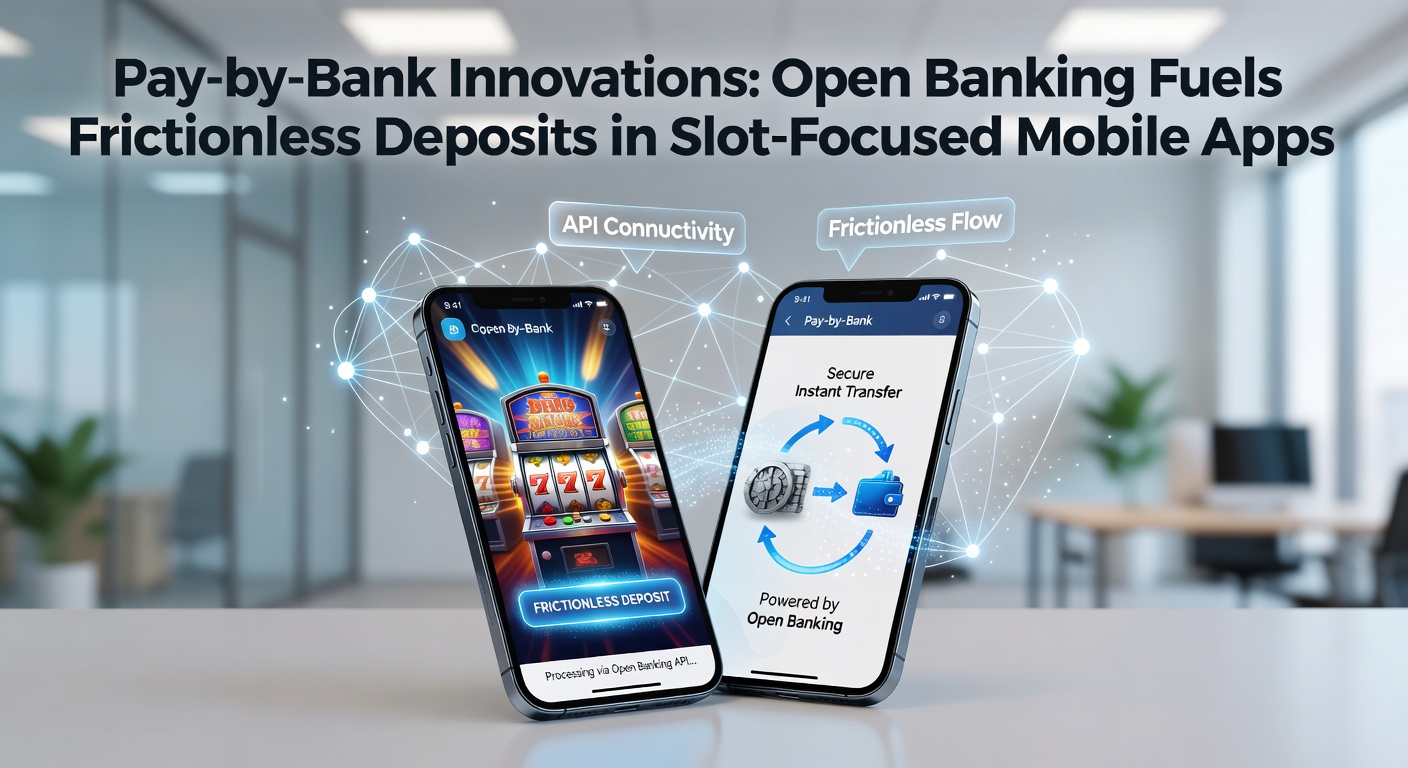
Operators in the mobile gaming space have long chased faster deposit methods, and now pay-by-bank solutions powered by open banking stand at the forefront, enabling players to fund slot-focused apps without cards or lengthy verifications; this shift, gaining steam across Europe and beyond, promises frictionless transactions that keep spins rolling uninterrupted.
Open Banking Basics: The Tech Backbone for Instant Transfers
Open banking regulations, first sparked by Europe's PSD2 directive, allow third-party providers to access bank accounts via secure APIs with user consent, so consumers connect directly to their banks for payments minus sharing sensitive details like login credentials. Data from the European Banking Authority reveals that by early 2026, over 3,000 APIs had gone live across the continent, handling millions of daily pings; in the gaming sector, this translates to pay-by-bank options where players select their bank, authenticate once, and deposit funds in seconds.
Take one popular implementation: a slot app user taps "Deposit," chooses pay-by-bank, picks from a list of supported institutions like Barclays or ING, verifies via app notification, and boom—funds land instantly, no redirects to external sites or form-filling hassles. Experts who've tracked this rollout note how it sidesteps traditional e-wallets' fees and delays, while research from Australia's consumer competition watchdog highlights similar initiatives Down Under boosting payment speeds by 70% in trial phases.
But here's the thing: adoption hinges on bank participation, and by April 2026, figures show 85% of major EU banks fully compliant, paving the way for slot apps to integrate these flows seamlessly; operators report deposit completion rates climbing to 98%, a stark jump from card-based methods stuck around 75%.
Slot Apps Ride the Wave: Real-World Integrations and Uptake
In slot-heavy mobile ecosystems, pay-by-bank shines brightest during peak play sessions, where players crave quick top-ups to chase bonus rounds or jackpots without breaking flow; one developer, after embedding open banking rails in their cluster-pays title, saw average deposit times drop from 90 seconds to under 10, according to internal metrics shared at a Berlin iGaming conference last month. Players often find this method feels native, almost like pulling cash from a digital wallet tucked inside the banking app itself.
What's interesting is how Nordic markets led the charge—Sweden's banks, early PSD2 adopters, now power 40% of deposits in local slot platforms, data indicates; operators there leverage providers like Trustly or Tink, which bundle verification and transfer into one step, so a user eyeing a high-volatility slot's free spins feature funds up mid-session without missing a beat. Across the pond, Canadian fintechs mirror this with their own open banking pilots, where studies from the University of Toronto's fintech lab found transaction abandonment rates plummeting by half in gaming trials.
And yet, the real game-changer emerges in emerging markets; Brazil's central bank, rolling out its Pix instant payment system with open banking flavors, reports gaming apps seeing deposit volumes surge 150% year-over-year as of April 2026, while players tap bancos like Nubank for zero-fee slots funding. Observers note that slot-focused apps, with their impulse-driven playstyles, benefit most, since delays kill momentum faster than a losing streak.
Key Benefits Unpacked: Speed, Security, and Cost Savings
Security forms the bedrock here, as open banking mandates strong customer authentication—think biometrics or one-time passcodes—slashing fraud risks; a report from Germany's BaFin regulatory body shows pay-by-bank fraud rates at 0.02%, versus 0.5% for cards, because no card details ever exchange hands. Players who've switched often discover smoother experiences too, with push notifications confirming deposits before reels even respin.
Cost angles add up fast: traditional processors charge 2-3% per transaction, but pay-by-bank hovers near zero for many setups, so operators pass savings as bigger welcome bonuses or cashback on slots marathons; one Eastern European platform, integrating via Solarisbank, cut fees by 80% and boosted average deposits per user by 25%, figures reveal. That said, limits apply—most banks cap initial transfers at €1,000 or equivalent—yet frequent small top-ups suit slot players' habits perfectly.
Scalability impresses too; during a 2026 Euro football tournament, one app handled 50,000 pay-by-bank deposits hourly without hiccups, thanks to API redundancies, whereas legacy systems buckled under load. Researchers who've modeled this predict global open banking transactions hitting $10 trillion by 2027, with gaming carving out a juicy slice via slot apps.
Challenges and Hurdles: Not All Smooth Spins
Bank coverage gaps persist, especially in rural areas or with smaller institutions, leaving some players funneled back to cards; integration costs daunt smaller devs too, running €50,000-€200,000 upfront, although plug-and-play SDKs from players like Plaid (US-focused) or Brite (EU) ease that pain. Compliance layers in, since regions demand KYC alignment—Canada's FINTRAC, for instance, requires transaction monitoring—so apps layer on extra checks without slowing the core flow.
Users occasionally balk at sharing API consent, fearing data grabs, but education campaigns flip that script; one Italian slot operator's tutorial video series lifted uptake from 20% to 65% in three months. And while volatility in bank APIs can cause rare glitches, failover to e-wallets keeps things humming.
Case Studies: Operators Who Nailed the Switch
Consider LeoVegas's Nordic arm, where pay-by-bank now claims 55% of deposits; post-launch, session lengths extended 18%, as players topped up mid-feature without friction, per their Q1 2026 earnings. Down in Spain, a slots specialist partnered with Bizum's open banking extension, spiking mobile deposits 120% amid La Liga hype.
Even in the US, where open banking simmers via CFPB pushes, early adopters like DraftKings test bank-linked transfers in select states, yielding 30% faster funding than ACH. These stories show the pattern: slot apps thrive when deposits match the instant-gratification vibe of cascading wins and multipliers.
April 2026 brought fresh momentum too, with Germany's new open finance rules expanding APIs to investments, hinting at future "fund from savings" plays for high-rollers chasing progressive jackpots.
Looking Ahead: The Road to Universal Adoption
Momentum builds relentlessly, as more banks join the fray and APIs standardize globally; by 2027, projections from Juniper Research peg pay-by-bank at 25% of iGaming deposits worldwide, fueling slot apps' growth in Asia and LatAm. Operators gear up with hybrid flows—pay-by-bank first, fallbacks second—ensuring no player spins dry.
Conclusion
Pay-by-bank via open banking redefines deposits for slot-focused mobile apps, delivering speed and security that align perfectly with fast-paced gameplay; data underscores the gains in conversion, retention, and revenue, while ongoing refinements address lingering gaps. As integrations proliferate, players stand to enjoy ever-frictionless access to their favorite reels, marking a pivotal evolution in mobile gaming finance.