Telephone Billing and Its Influence on Everyday Mobile Casino Accessibility
Rosa Schulz · Aug 6, 2026
Telephone Billing and Its Influence on Everyday Mobile Casino Accessibility
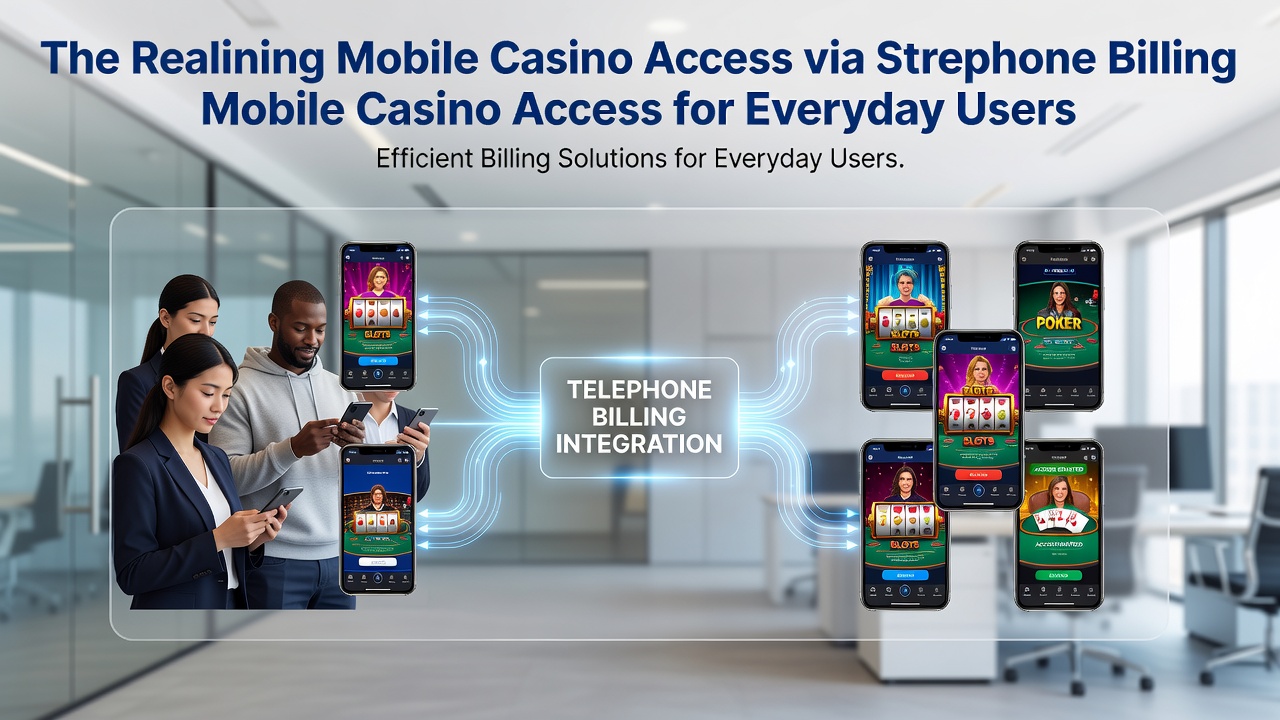
Telephone billing allows players to add casino deposits directly to their mobile phone accounts, which removes the need for credit cards or bank transfers during initial access steps. This method operates through established carrier partnerships where charges appear on monthly statements alongside regular usage fees, and data from multiple markets shows steady adoption rates among users who prefer minimal setup requirements. Observers note that the process typically involves entering a phone number at checkout, receiving a confirmation code, and completing the transaction without additional accounts or verification layers beyond standard carrier authentication.
Mechanics Behind Phone-Based Deposits
Operators integrate billing systems through third-party processors that connect casino platforms to telecommunications networks, enabling seamless fund transfers while maintaining security protocols like encrypted SMS confirmations. Users select the pay-by-phone option within an app or browser session, authorize the amount, and see the charge reflected immediately on their device balance or next bill cycle. Research indicates this approach supports both prepaid and postpaid accounts across major carriers, though transaction limits often align with carrier policies to prevent excessive spending in single sessions.
Accessibility Benefits for Routine Participants
Everyday users gain entry to mobile platforms without exposing banking details, which reduces friction during first-time registrations and encourages trial of various games. Those who study user patterns report higher completion rates for deposit flows when phone billing serves as the primary method, particularly among individuals who maintain limited online payment profiles. In August 2026 industry updates highlighted continued expansion of carrier partnerships in regions outside the UK, where similar systems have supported consistent participation levels without requiring new financial instruments.
Additional advantages include compatibility with basic smartphones and avoidance of app store payment gateways that sometimes impose extra fees. Players complete transactions in fewer steps compared to traditional card entries, and the automatic record on phone statements aids personal tracking without separate banking apps or statements.
Technical and Security Considerations
Systems rely on established protocols from carriers that verify device ownership before processing charges, which adds a layer of authentication beyond standard passwords. Encryption standards match those used for regular mobile transactions, and processors maintain compliance with data protection frameworks that govern telecommunications billing worldwide. Experts have observed that fraud rates remain comparable to other digital payment channels when carriers enforce daily or monthly caps on gaming-related charges.
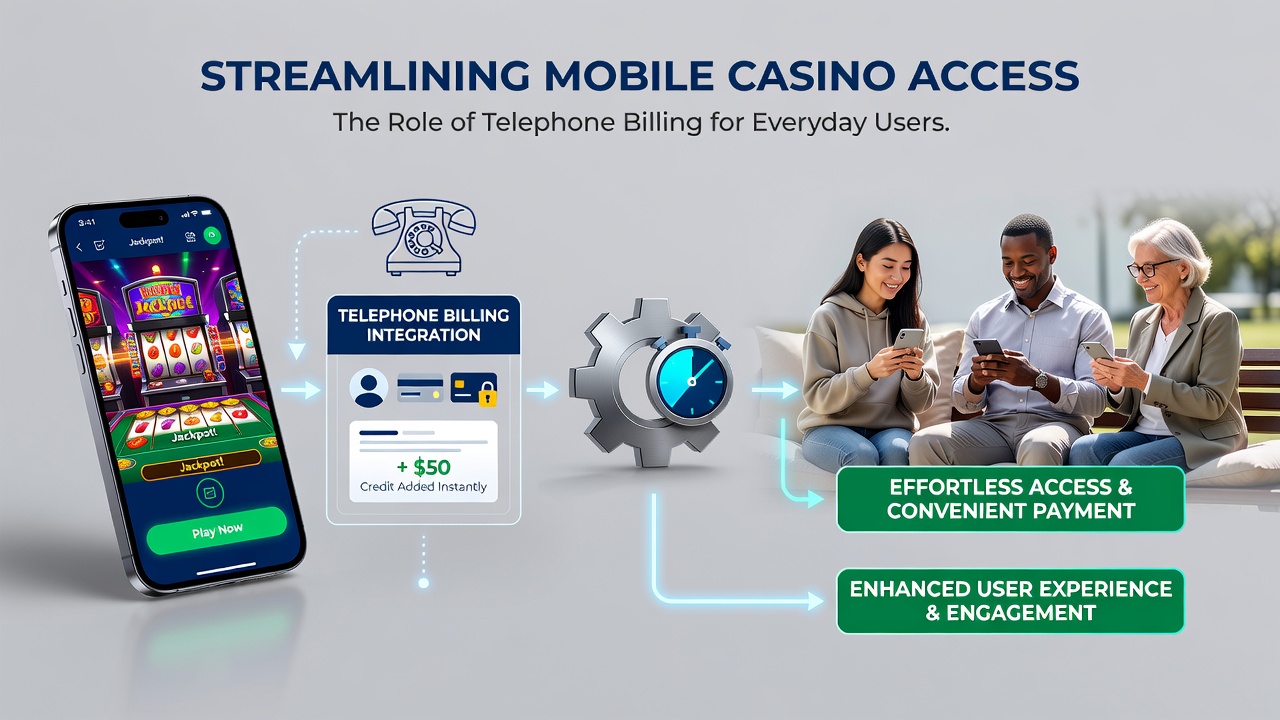
Integration requires casino platforms to partner with processors that handle real-time balance checks and reversals when necessary, ensuring users retain control over transactions. Some providers offer optional PIN protections or spending alerts sent directly to the device, which further supports responsible usage patterns documented in payment behavior studies.
Market Data and Adoption Patterns
Figures from telecommunications and gaming sectors reveal growth in phone billing volumes across North American and European markets, with one analysis from the National Council on Problem Gambling noting increased mentions of carrier-based options in user surveys. Participation remains steady in areas where smartphone penetration exceeds 80 percent, and operators report that this method accounts for a measurable share of mobile deposits without displacing other channels entirely.
Case examples from operators in Canada demonstrate how regional carriers collaborated on billing APIs that reduced average deposit times by integrating directly with existing phone account systems. Similar developments appear in reports covering Australian markets, where data shows phone billing supporting consistent access for users in remote locations with variable banking infrastructure.
Regulatory Landscape Across Regions
Different jurisdictions apply oversight through telecommunications authorities rather than solely gaming regulators, which creates varied approval processes for new billing integrations. In several US states, gaming control boards review payment methods as part of broader licensing, while EU frameworks emphasize consumer protection standards that carriers must meet before offering gaming-related charges. Observers note that these layered requirements encourage operators to maintain transparent fee disclosures and spending limit tools within the billing flow.
Industry organizations such as the International Association of Gaming Regulators have documented how phone billing aligns with existing consumer safeguards, including age verification tied to carrier records. This approach helps platforms meet compliance without additional verification steps that might slow access for verified adult users.
Conclusion
Telephone billing continues to function as one established pathway that supports direct mobile casino access by leveraging familiar carrier relationships and reducing entry barriers tied to traditional financial accounts. Data across multiple regions shows its role in maintaining steady participation levels while operators adapt systems to carrier capabilities and regional rules. As carrier networks expand coverage and refine authentication tools, this method remains integrated into broader mobile gaming ecosystems without requiring users to adopt new payment habits beyond their existing phone plans.